Who is this product suitable for?
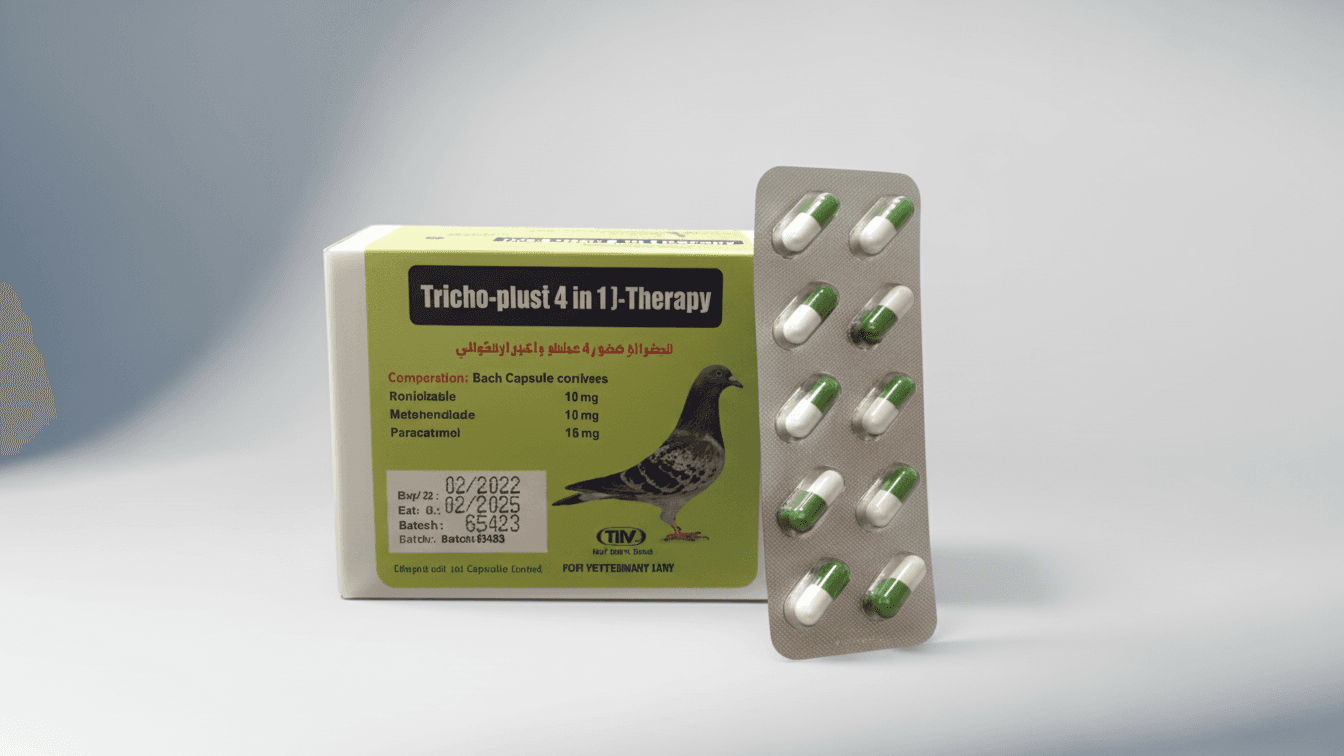
Al-Farabi veterinary tablets for treating canker (Trichomonas) and coccidiosis in ornamental birds and pigeons

Embrzol Bird Al-Farabi is a specialized veterinary tablet formulation for ornamental birds and pigeons, containing 20 tablets effective against Trichomonas (canker), coccidiosis, and trichomoniasis. Manufactured by Al-Farabi veterinary pharmaceuticals, a specialist in avian healthcare.
Discover Similar Products
Al-Farabi veterinary tablets for treating canker (Trichomonas) and coccidiosis in ornamental birds and pigeons
Metronidazole as the primary active ingredient for treating trichomoniasis and canker, Amprolium for combating coccidiosis, pharmaceutical excipients
Dissolve one tablet in drinking water according to the instructions included with the pack. Usual dose for pigeons: one tablet per 1-2 liters of drinking water for 5-7 days. For small birds: dilute further according to bird size. Consult an avian veterinarian for the precise dose.
Store in a cool, dry place at temperatures not exceeding 25°C away from direct sunlight. Keep out of reach of children. Store in original container.
For veterinary use in birds only. Do not use in birds intended for food consumption before the withdrawal period has elapsed. Ensure not to exceed the recommended doses. Consult an avian veterinarian if symptoms persist.
Al-Farabi veterinary tablets for treating canker (Trichomonas) and coccidiosis in ornamental birds and pigeons
Dissolve one tablet in drinking water according to the instructions included with the pack. Usual dose for pigeons: one tablet per 1-2 liters of drinking water for 5-7 days. For small birds: dilute further according to bird size. Consult an avian veterinarian for the precise dose.
Store in a cool, dry place at temperatures not exceeding 25°C away from direct sunlight. Keep out of reach of children. Store in original container. For veterinary use in birds only. Do not use in birds intended for food consumption before the withdrawal period has elapsed. Ensure not to exceed the recommended doses. Consult an avian veterinarian if symptoms persist.